Mirasim vs Cursor Cloud Agents
Cursor Cloud Agents run Cursor's agent in cloud VMs and hand back pull requests. Mirasim hosts a space where your team steers Claude Code, Codex and others together.
The short answer
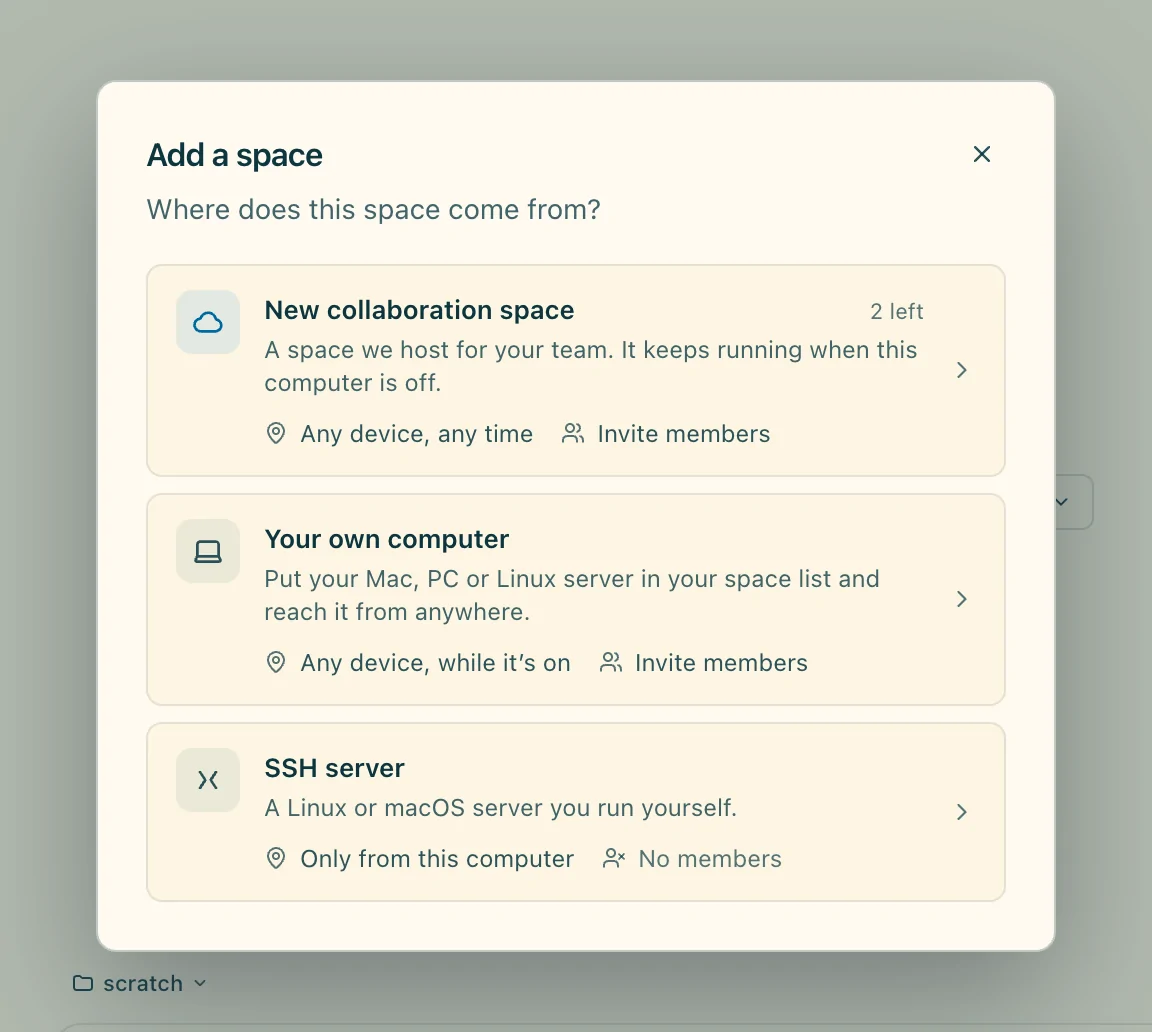
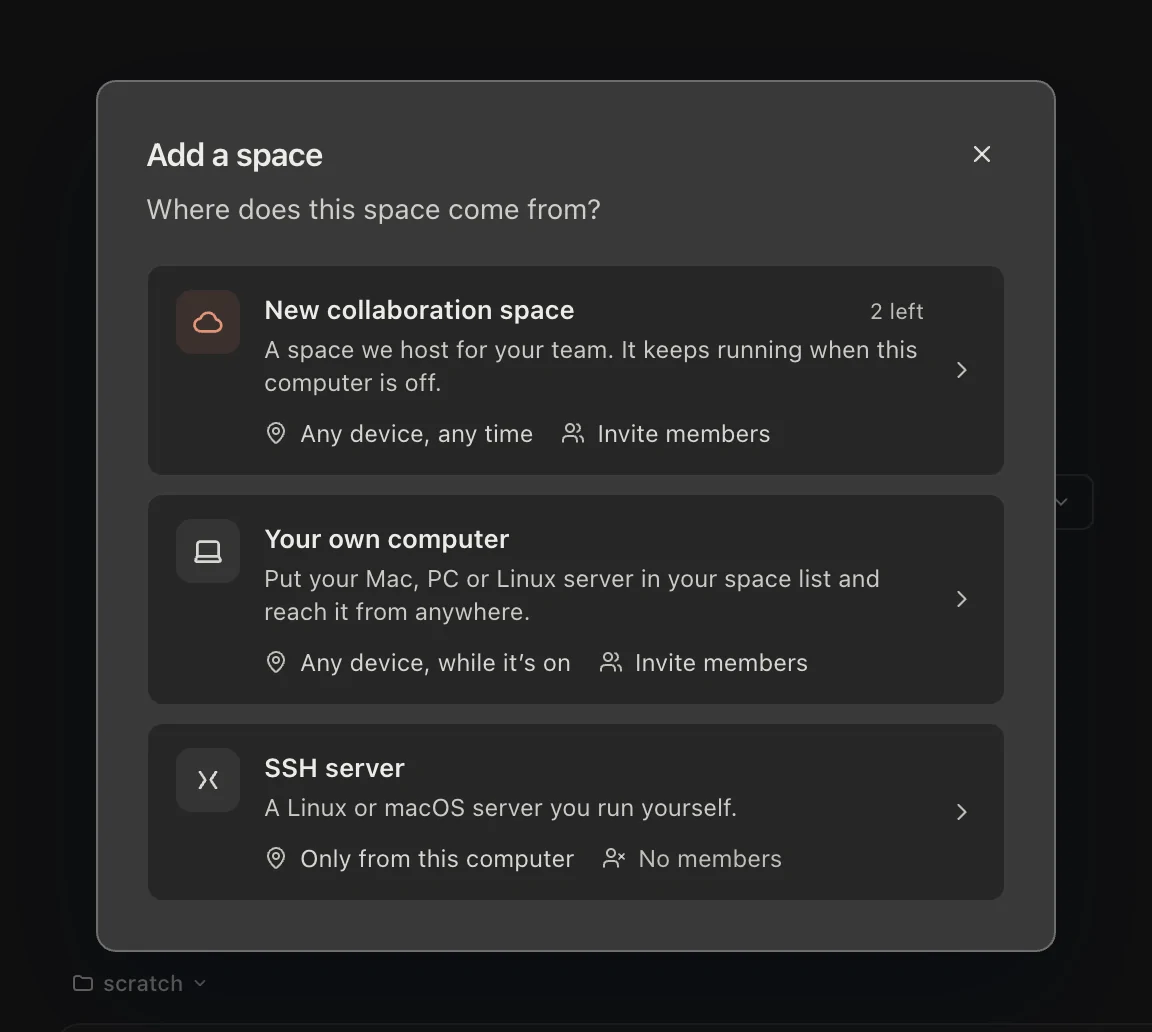
Both keep agents working while your computer is off. Cursor Cloud Agents start Cursor's agent in a cloud virtual machine from Slack, GitHub, Linear, the web or your phone, and hand the work back as a branch or pull request. Mirasim hosts a team space where your coding agents stay on and several people steer the same session together.
- Cursor Cloud Agents
- You want to fire off tasks from Slack or an issue and review pull requests
- Cursor Cloud Agents
- Your team already lives in Cursor
- Mirasim
- You want Claude Code or Codex themselves, on your own accounts
- Mirasim
- Several people want to steer one session together, live
What are cloud agents?
Cloud agents, also called background agents, are coding agents that run on a remote machine instead of your laptop. You hand them a task, close the lid, and come back to a branch, a pull request or a finished session. Cursor Cloud Agents, Codex Cloud and Claude Code on the web are vendor-run versions. In Mirasim the remote machine is a space your team shares: a team space we host, or your own server.
At a glance
| Cursor Cloud Agents | Mirasim | |
|---|---|---|
| What runs | Cursor's agent, on a curated set of models | Claude Code, Codex, Kimi Code, DeepSeek Harness, OpenCode and five more agents |
| Where | An isolated cloud VM per agent, or machines you manage | A team space we host (Linux or Mac), your own computer, or an SSH server |
| How you start work | Cursor desktop, cursor.com/agents, the iOS app, Slack, GitHub, Bitbucket, Linear or the API | The desktop app, the phone apps, or a browser |
| Working together | Each agent works on its own branch and hands back a pull request | Members join the space; several people send into the same session, each message signed |
| Code hosting | GitHub, GitLab, Azure DevOps Services, Bitbucket Cloud | GitHub and GitLab, each person as themselves |
| Paying | Your Cursor plan | Your own accounts and keys, a key shared with the team, or Mirasim credit |
From each product's documentation on November 8, 2026. For prices, see cursor.com/pricing and mirasim.ai/pricing.
What Cursor Cloud Agents do well
- Start a task from wherever the request shows up: a Slack thread, a GitHub or Bitbucket comment, a Linear issue, or the API.
- Each agent gets a full development environment, set up by the agent, from a snapshot, or from a Dockerfile.
- Agents return screenshots, videos and logs of what they changed, and you can take over the agent's remote desktop to try the software.
- Run as many as you like in parallel, without your computer online.
What Mirasim does well
- Run the agents themselves, unmodified: Claude Code, Codex and eight more, each on its own sign-in, or on Mirasim credit.
- A shared, live session: teammates watch the same turn and send into it, instead of each reviewing a separate pull request afterwards.
- The same space from the desktop app, the phone apps and a browser.
- Start on your own computer for free, and move to a team space when you need it to stay on.
Questions
- Can I run Claude Code in the cloud with Mirasim?
- Yes, in a team space we host, and it keeps running after you close your laptop. A personal Claude subscription is for its owner only, so a session your team shares runs on a shared key or space credit.
- Can Mirasim run Cursor's agent?
- No. Mirasim runs Claude Code, Codex, Kimi Code, DeepSeek Harness, OpenCode, Qwen Code, Pi, Antigravity, ZCode and Grok Build.
- Do I need my computer on?
- Not for Cursor Cloud Agents or a Mirasim team space. If you run Mirasim on your own computer instead, it has to stay on and awake.
Article · Cursor vs Claude Code: an editor with an agent, or an agent for any editor → Cursor and Claude Code compared.
Article · Codex Cloud: how it works, and when to use a shared space instead → How OpenAI's Codex Cloud works, and when a shared space fits better.
Sources
Checked against each product's documentation on November 8, 2026: cursor.com/docs/cloud-agent and cursor.com/docs/models-and-pricing for Cursor; Mirasim's own documentation for Mirasim. Both change quickly, so check the sources for the latest.
Keep reading
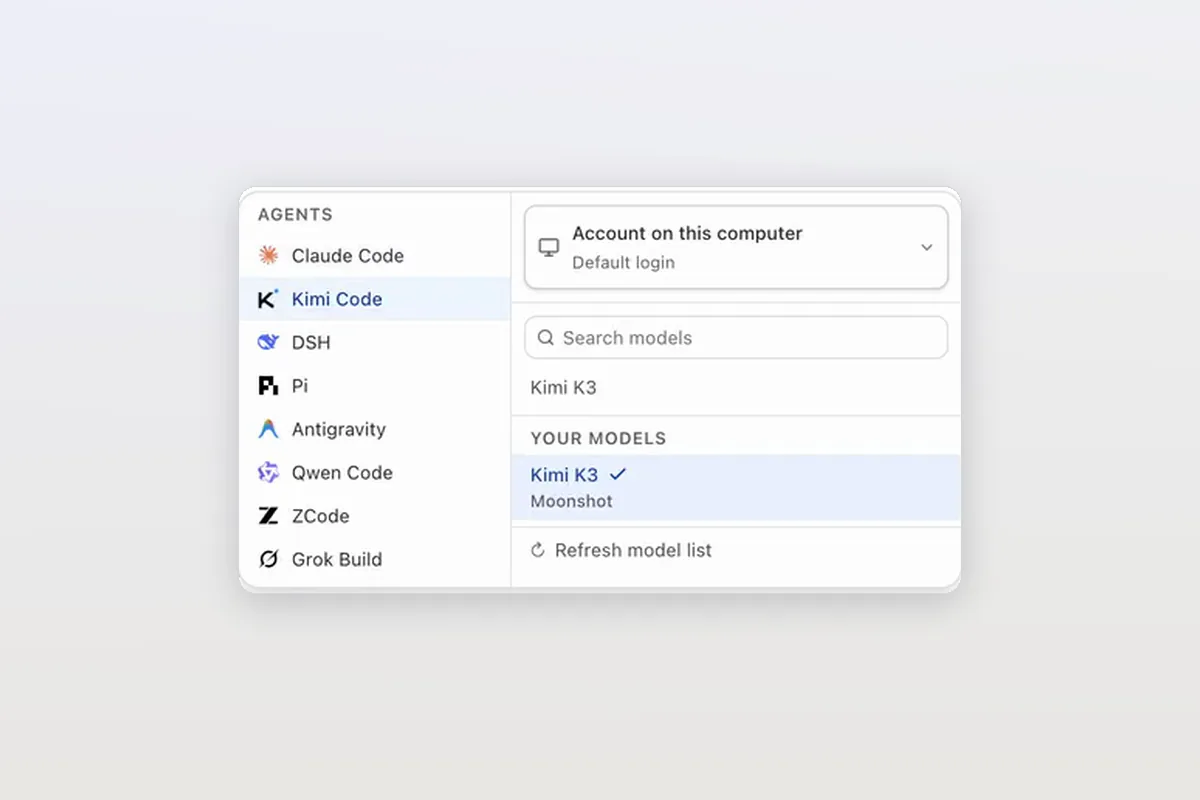
Claude Code alternatives: nine coding agents, and why you might not have to choose
Codex, OpenCode, Kimi Code, DeepSeek Harness, Qwen Code and four more coding agents, grouped by why you'd switch, and how to run them next to Claude Code.
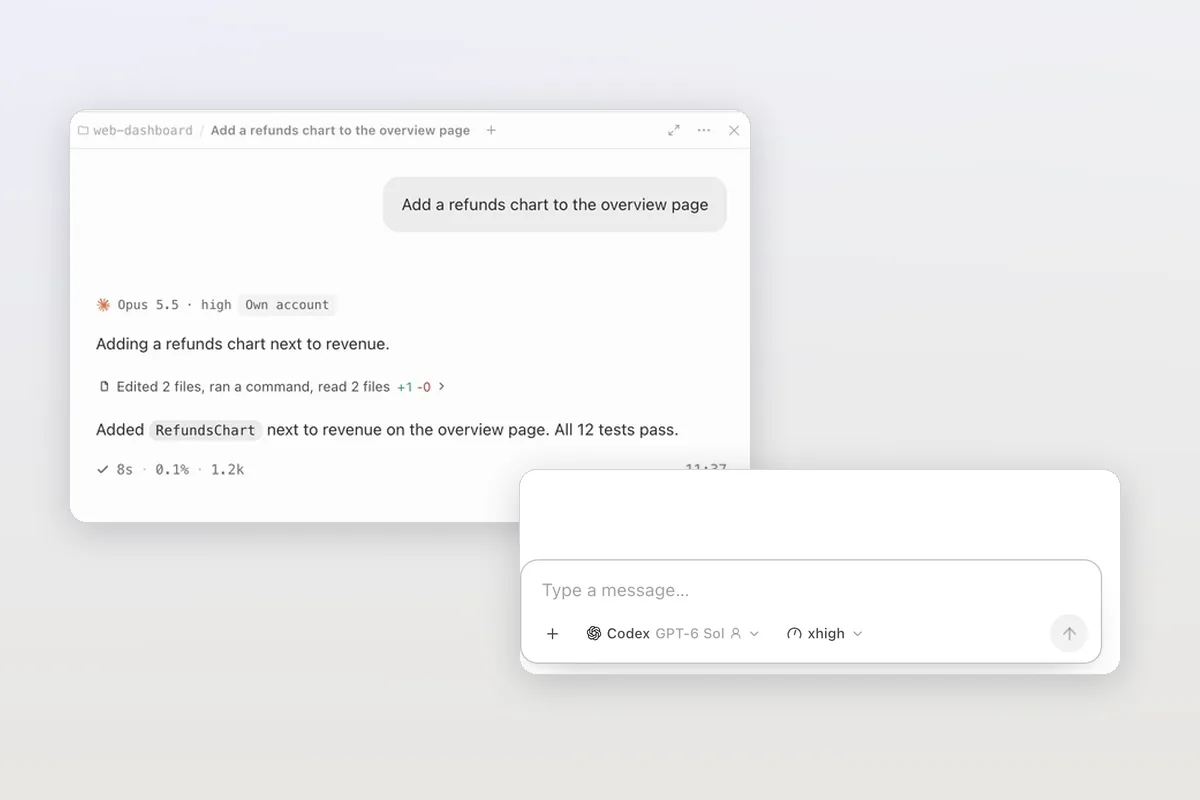
Claude Code vs Codex: how they differ, and using both
Claude Code is Anthropic's coding agent; Codex is OpenAI's. How sign-in, apps and instruction files differ, and how to run both side by side.
A Conductor alternative for Mac, Windows and Linux
Conductor is joining Meta and its cloud shuts down Nov 20. Mirasim runs on Mac, Windows and Linux and imports your Conductor worktrees and chats in one click.