Codex pricing: what each ChatGPT plan includes, what an API key costs, and paying only for what you use
Codex comes with ChatGPT plans and shares their usage, or runs on an API key at API prices. What each plan costs, how far it goes, and what to do at the limit.
The short answer
Codex is part of ChatGPT: your plan's usage allowance covers it, shared with ChatGPT Work. Plus is the first plan with the full Codex (web, CLI, IDE extension and iOS); Free and Go only get a small model in the desktop app. You can also sign in with an API key and pay API prices per token, without the cloud features.
| Plan | Price | What you get in Codex |
|---|---|---|
| Free, Go | $0, $8 a month | GPT-6 Luna at Standard speed in the desktop app, rolling out |
| Plus | $20 a month | Web, CLI, IDE extension and iOS; automatic code review and Slack; add credits when you run out |
| Pro | $100, $200 or $500 a month | More usage, Ultrafast, and no 5-hour limit at the moment |
| Business | $20 per user a month yearly, 2+ users; $25 monthly | A workspace with admin controls and SAML SSO; credits to extend |
| Enterprise, Edu | Through sales | Enterprise security and controls; with flexible pricing, no fixed rate limits |
| API key | API prices per token | CLI, SDK and IDE extension; no cloud features such as GitHub code review or Slack |
How far a plan goes
| Model | Plus: local messages per 5 hours | API price per million tokens, input / output |
|---|---|---|
| GPT-6.2 Astra | 6–50 | $8 / $40 |
| GPT-6.2 Sol | 17–180 | $2 / $10 |
The same message can cost very different amounts: model, context size, reasoning, tool use and caching all count. Fast mode uses about 2× the Standard rate on GPT-6.2, and Ultrafast 6× from your plan's included usage.
Article · GPT-6.2 in Codex: Astra or Sol, how to switch, speed modes and what it costs → GPT-6.2 Astra or Sol in Codex, and the speed modes.
When you hit the limit
- A turn already running can finish, subject to fair use.
- On Plus and Pro, buy credits and keep working without upgrading.
- On Business, Edu and Enterprise with flexible pricing, the workspace buys more credits.
- Anyone can run extra local sessions on an API key, at standard API rates.
- Check what's left on the usage dashboard, or with
/statusin the CLI.
Article · Codex usage limits: when they reset, and what to do when you hit one → Codex usage limits: what the messages mean and when they reset.
Article · Is Codex free? What the free plans include, and how to run Codex on local models → Is Codex free? The free plans, and running Codex on local models.
Make it last longer
- Be precise in the prompt and leave out context the task doesn't need.
- Give it only the relevant files, and narrow the sources or date range.
- Say the format and length you want, and keep optional improvements separate.
- Keep AGENTS.md small; nest files in the repository so each folder loads only its own.
- Turn off MCP servers you aren't using; each one adds context to every message.
- Use Sol for everyday work and save Astra for the hardest problems.
Article · AGENTS.md and CLAUDE.md: what they are, and one file for Claude Code and Codex → AGENTS.md and CLAUDE.md: what goes in them and how they load.
Paying per token in Mirasim
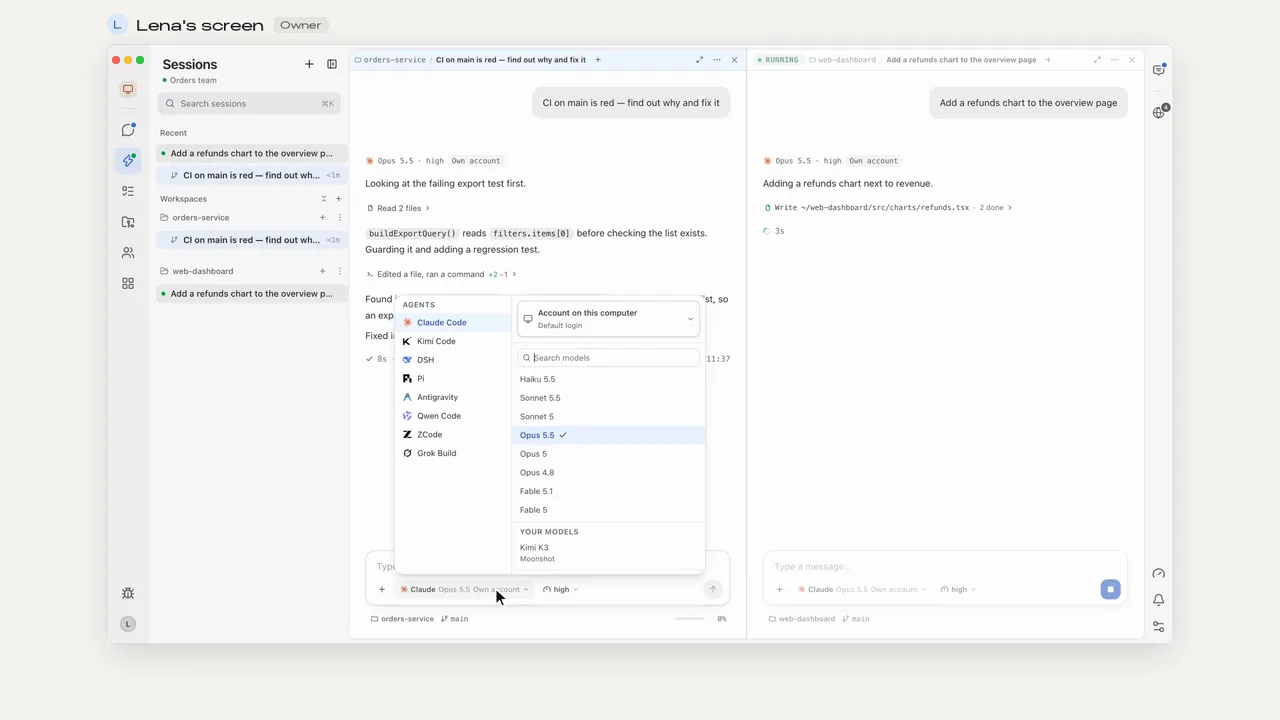
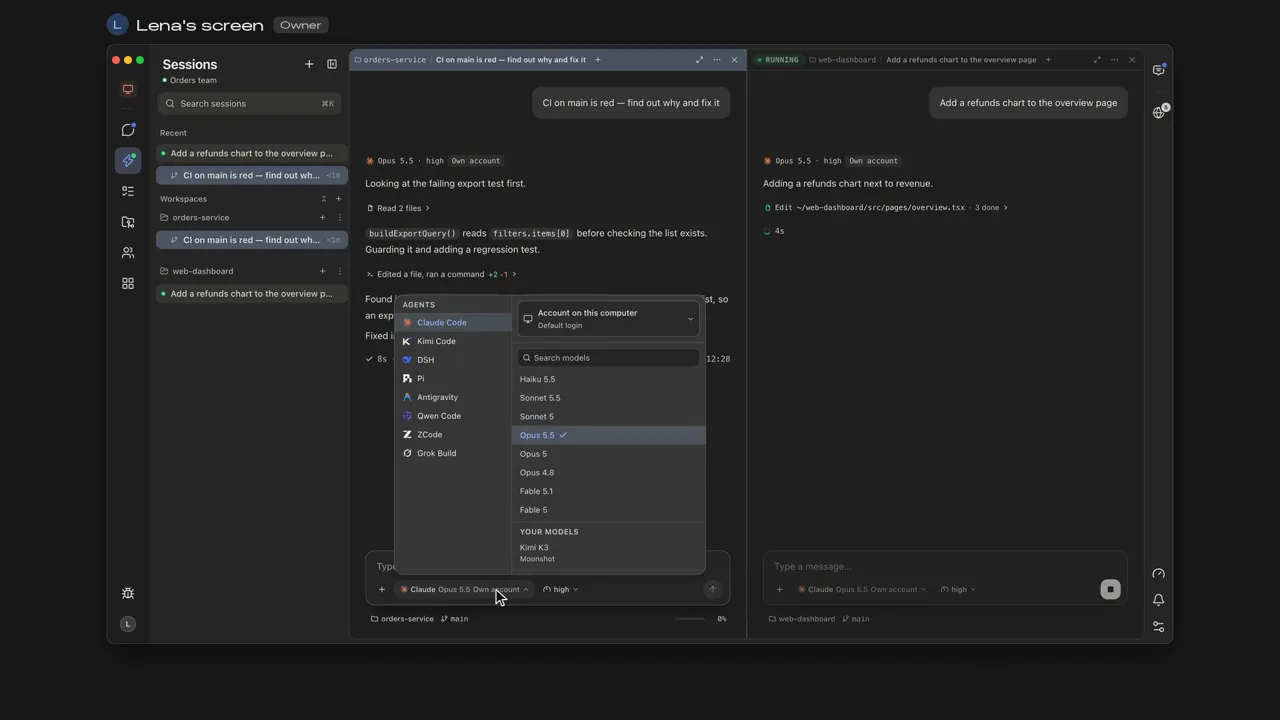
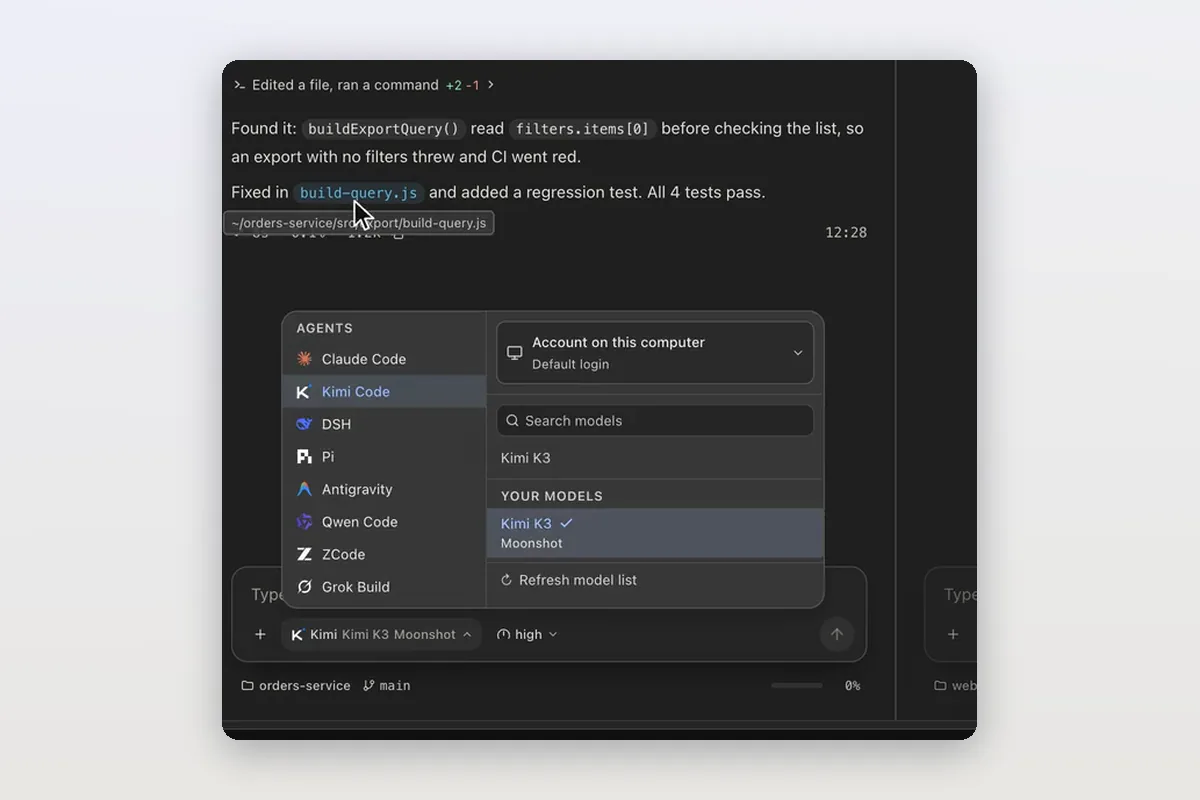
Mirasim runs the Codex CLI itself, so your ChatGPT plan works there as usual. What you choose is who pays, per session: your own ChatGPT sign-in or API key, or Mirasim credit, which charges only for what the session uses, at the discount listed for each model.
| Paying with | What runs | What it costs |
|---|---|---|
| Agent/Model account | Your own ChatGPT sign-in or API key | Your plan's usage, or your API bill |
| Personal credit or space credit | GPT models provided by Mirasim | Off the official API price: GPT-6.2 Astra Limited time: 90% off, GPT-6.2 Sol Limited time: 90% off |
1 credit is $1 at the official API price; every model's price and discount is on mirasim.ai/models, and credit packs are on mirasim.ai/pricing. When your plan runs out, switch the same session to Mirasim credit or to another agent such as Claude Code and keep the conversation. A ChatGPT seat is for the member it belongs to, so a session several people steer runs on a shared key or space credit. Mirasim is not an OpenAI product.
Chapter 16 · Models, accounts and quota › Several accounts, and live quota →
Questions
- Is Codex free?
- Partly: Free and Go get GPT-6 Luna in the desktop app as it rolls out. The CLI, IDE extension, web and the stronger models start at Plus, or on an API key you pay for.
- Plus or Pro for Codex?
- Plus suits a few focused sessions a week, by OpenAI's own description. If you run out most weeks, Pro gives more usage and currently has no 5-hour limit; Ultrafast comes with Pro too.
- Does an API key use my ChatGPT plan?
- No. API-key sessions are billed at API prices, separately from your plan's allowance.
Article · Claude Code pricing: what each plan costs, what the API costs, and paying only for what you use → The same for Claude Code: plans, API prices and how to spend less.
Article · Codex for teams: ChatGPT Business and Enterprise, shared setup, and working in one session → Codex for a team: Business, Enterprise and shared sessions.
Sources
Checked on November 27, 2026 against OpenAI's Codex documentation (learn.chatgpt.com/docs/pricing). API prices are read from the same table as mirasim.ai/models. OpenAI changes plans, allowances and rates, so check that page before you buy.
Keep reading
Is Claude Code free? What it costs, and how to run it for free or for less
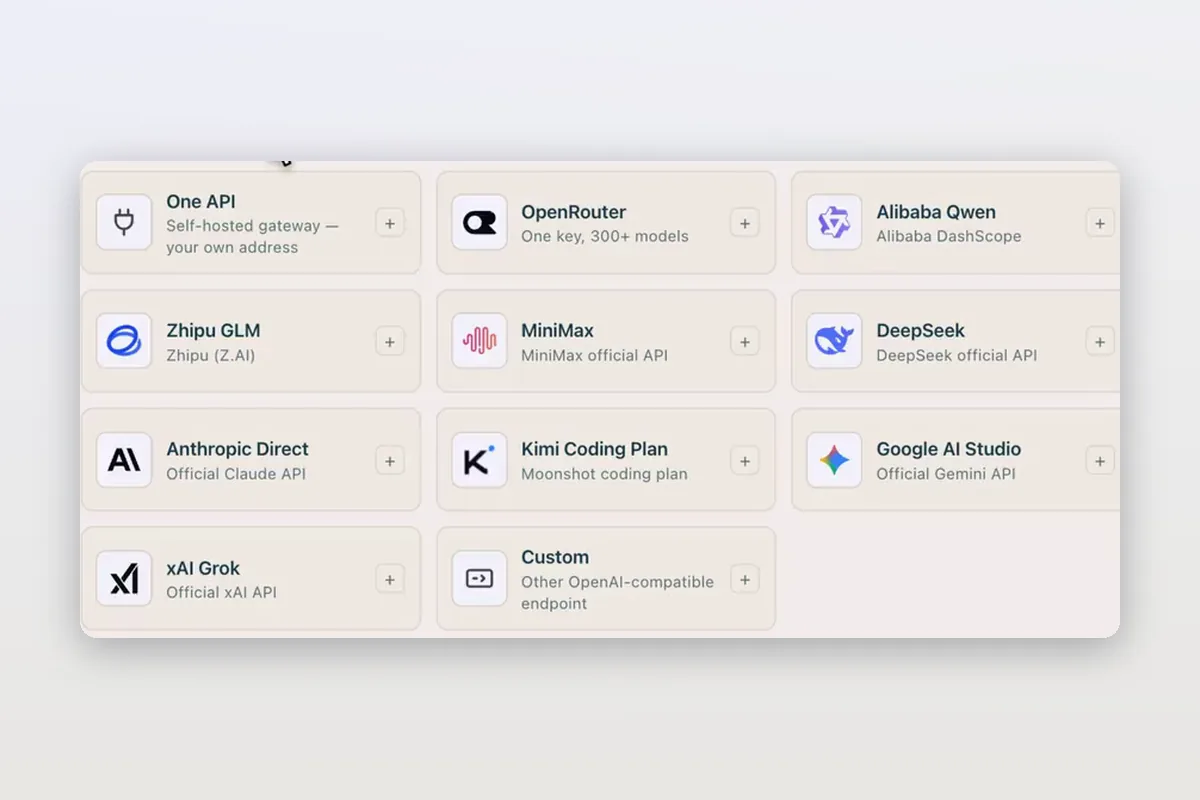
Claude Code is free to install, but running it on Claude needs a paid plan or an API key. The free and cheap options: local models with Ollama, or other providers.
Claude Code login: how to sign in, switch accounts, and fix login problems
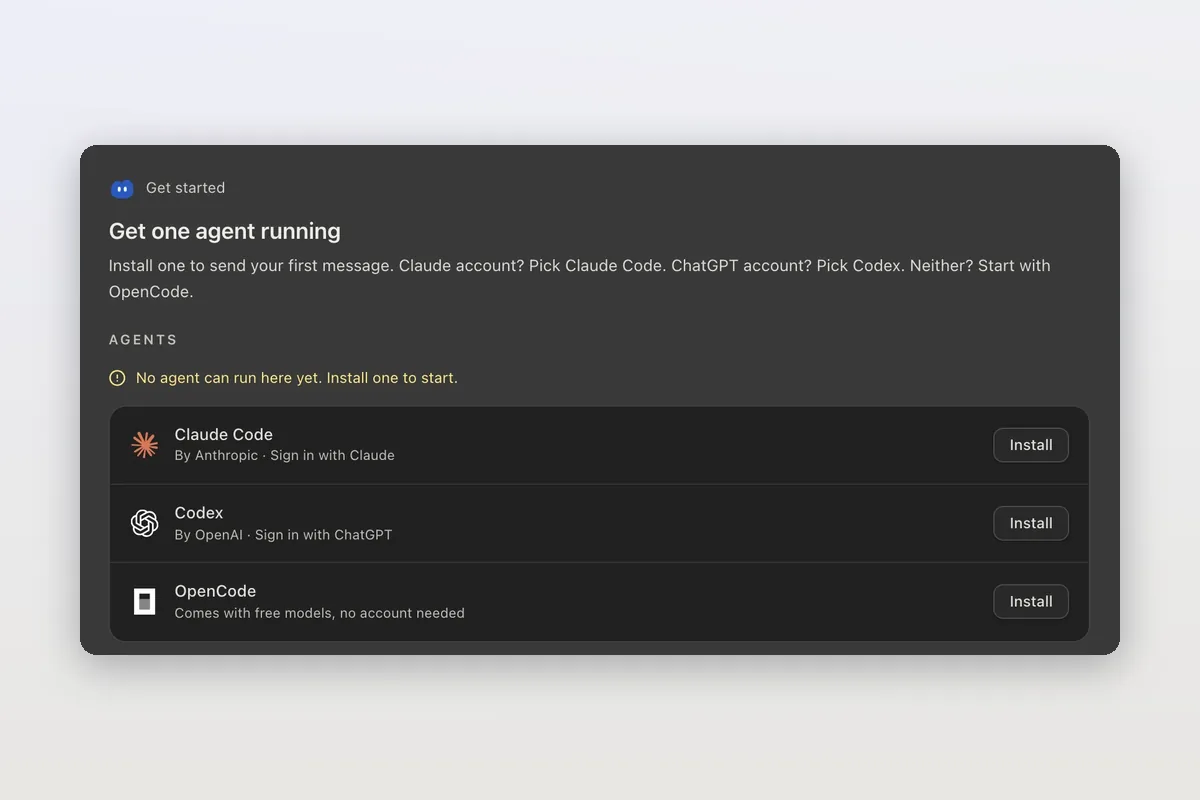
How to log in to Claude Code with a Claude plan, the Console or an API key, which credential wins, how to keep several accounts, and fixes for common login errors.
Claude Code pricing: what each plan costs, what the API costs, and paying only for what you use
Claude Code comes with Claude Pro, Max, Ultra, Team and Enterprise, or runs on an API key per token. What each costs, what developers spend, and how to spend less.